Location >>
 Date:2026-03-16
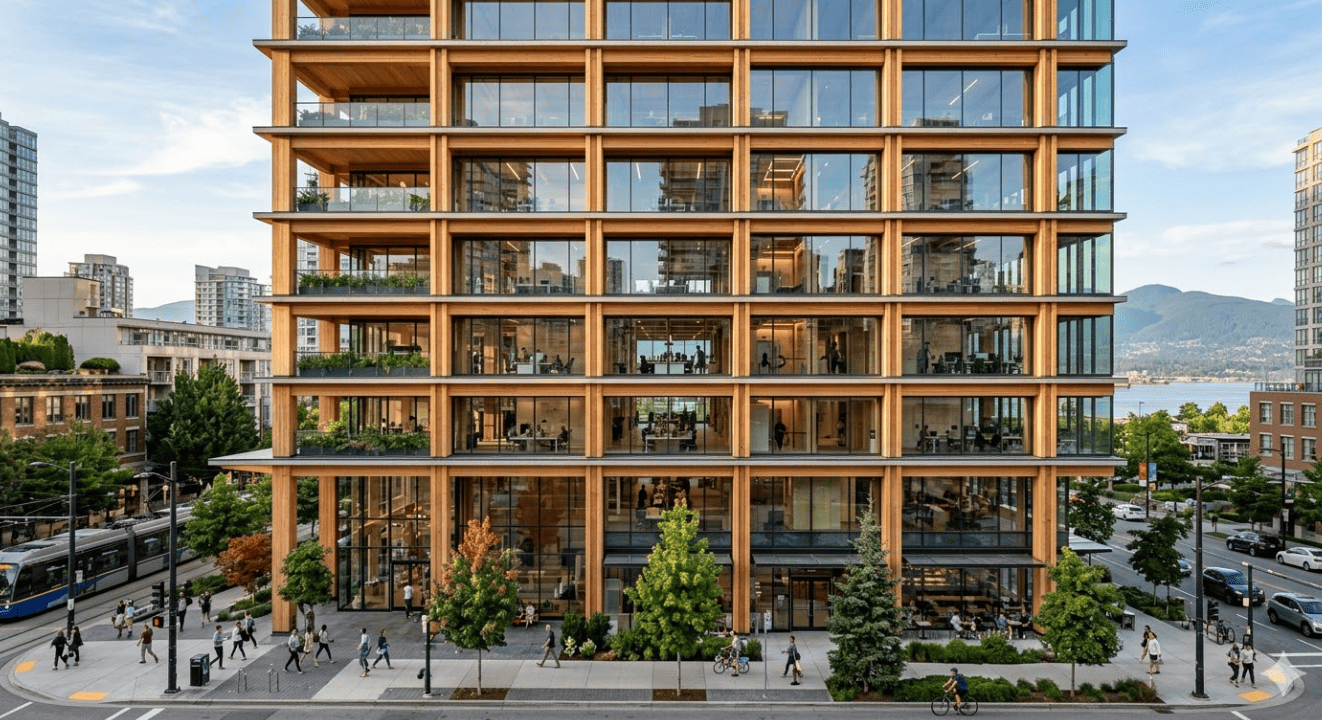
The global construction landscape is undergoing a profound transformation in 2026, spearheaded by the unprecedented rise of mass timber and wooden structure buildings. Once considered a niche alternative, engineered wood—specifically Cross-Laminated Timber (CLT) and Glued Laminated Timber (Glulam)—has officially entered the mainstream. With the global timber market projected to reach a staggering $1.06 trillion this year, the industry is witnessing a compound annual growth rate of over 10% in the wood products sector, fundamentally altering how commercial, residential, and outdoor spaces are developed.
The Decarbonization Imperative and Structural Shift The primary catalyst for this boom is the urgent global push for decarbonization. Traditional building materials like concrete and steel are major contributors to global greenhouse gas emissions. In contrast, mass timber acts as a critical carbon sink. Recent environmental life-cycle assessments reveal that replacing conventional materials with mass timber can reduce a building's embodied carbon by up to 69%. Projects completing in 2026, such as the Academic Wood Tower at the University of Toronto—set to be the tallest academic wood building globally—demonstrate that timber can match, and often exceed, the structural integrity of steel while delivering unmatched environmental benefits.
Furthermore, advancements in fire-resistant coatings, moisture management, and encapsulation techniques have effectively dismantled outdated regulatory barriers, prompting a widespread update of international building codes to accommodate high-rise wooden structures.
Asia-Pacific: The Epicenter of Growth and Trade While Europe and North America have historically championed mass timber, the Asia-Pacific (APAC) region has decisively taken the lead in 2026. Accounting for an estimated 35.3% of the global wood products market, the APAC region's growth is fueled by rapid urbanization, infrastructure development, and an aggressive pivot toward green building certifications.
This regional dominance is creating a thriving ecosystem for international trade and B2B partnerships. Top-tier suppliers, machinery providers, and manufacturers are increasingly looking to Asian markets to establish supply chains and showcase their innovations. The demand for structural timber in modular housing in this region has spiked by over 40%, creating a lucrative window for global brands to enter the market through strategic exhibitions and trade platforms.
Modular Precision and the Outdoor Living Synergy A defining trend of 2026 is the intersection of mass timber with prefabricated modular construction. Factory-built wooden modules are drastically reducing on-site construction timelines and labor costs—a critical advantage given the ongoing global labor shortages in the construction sector. Precision-engineered CLT panels allow for rapid assembly, turning months of traditional framing into weeks.
Moreover, architectural trends are increasingly emphasizing biophilic design—seamlessly blending indoor environments with outdoor living spaces. Wooden structures are uniquely positioned to bridge this gap, harmonizing with patio economies, garden landscapes, and outdoor recreation areas. This synergy is expanding the definition of wooden architecture, linking structural building components with high-end outdoor leisure and lifestyle markets.
Looking Ahead: The Golden Era for Global Suppliers As 2026 unfolds, the wooden structure industry is no longer just about raw material procurement; it is a highly sophisticated market demanding finished, high-value-added components. For industry leaders, head merchants, and specialized buyers, the current climate presents a golden opportunity. The focus has shifted toward building robust international marketing networks and securing cross-border trade agreements.
The momentum is clear: sustainable wooden architecture is not just a passing trend, but the foundational blueprint for the future of global construction. As the industry gathers at major international trade hubs this year, the collaboration between global suppliers and the booming Asian market will undoubtedly dictate the trajectory of the built environment for decades to come.